Abia at 35: Kalu Left Prosperous, Influential State – Successors Caused Decline, Says Cleric
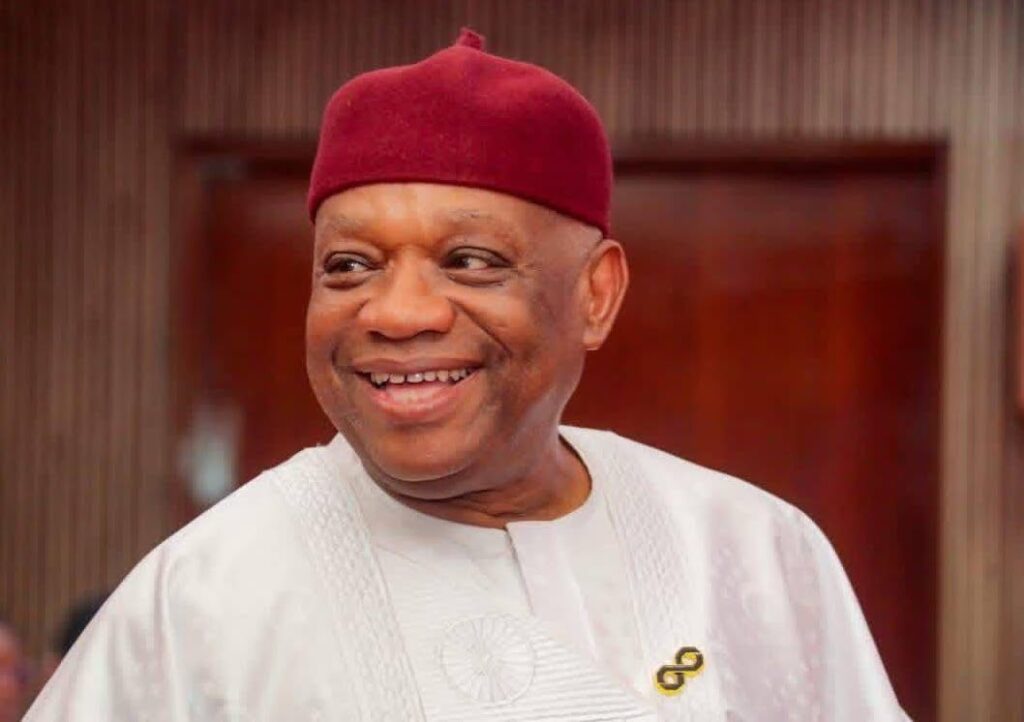
Photo Credit: The Sun Nigeria / Orji Uzor Kalu (File Photo)
Abia at 35: Kalu Left Prosperous, Influential State – Successors Caused Decline, Says Cleric
Bishop Silas Eke of the Kingly People’s Assembly says former Governor Orji Uzor Kalu left Abia as a prosperous and politically influential state when he left office in 2007, and that the state’s decline happened under subsequent administrations.
Reacting to former Aviation Minister Osita Chidoka’s assessment of Abia at 35, Bishop Eke agreed with Chidoka’s verdict that Kalu put Abia firmly in the national conversation and made the state punch above its weight during his eight-year tenure.
In a statement on Friday, the cleric said Abia’s history since 1999 must be told fairly, insisting the economic and political downturn should not be attributed to Kalu.
“At the beginning of this democratic dispensation, Abia had a governor who understood the importance of economic development and political relevance,” Eke said. “Under Kalu, Abia was not struggling to be noticed. We were visible economically, politically and even in sports.”
He said Aba, under Kalu, was a major commercial hub that attracted traders from across the old Eastern Region and neighboring African countries. According to him, traders came from Akwa Ibom to Ikom, Ogoja, Obubra in Cross River and Sagbama in Bayelsa, as well as from Cameroon – including Buea, Yaoundé and Garoua – to buy goods in Aba.
“Aba was a commercial destination. Top expatriates lived in Aba and drove from Aba to Port Harcourt. Aba could comfortably stand alongside Lagos as one of Nigeria’s most important business destinations,” he stated.
Eke noted that the boom translated to jobs and thriving businesses, adding that “unemployment and poverty were virtually nonexistent compared with what Abia later experienced.”
The cleric also cited the rise of Enyimba International FC as a continental powerhouse under Kalu, which he said drove sports tourism, with thousands trooping into Aba for matches, boosting hotels, restaurants, transport and trading.
On politics, Eke said Kalu gave Abia a strong voice at a time the South East was seeking relevance after the return to democracy, making the state impossible to ignore nationally.
He however said the momentum was lost after 2007, accusing administrations that governed Abia between 2007 and 2023 of failing to sustain investment in infrastructure and the economy.
“Those things faded because those who succeeded Kalu refused to make the investments necessary to sustain the development of the state. You cannot inherit a state and, 16 years later, blame the man who handed it over to you,” he said.
Eke said Abia’s 35th anniversary should be an opportunity for an honest assessment of different administrations.
“History cannot be rewritten because of politics. Orji Uzor Kalu left office in 2007. What happened to Abia in the 16 years after that must be placed at the doorstep of those who had responsibility for governing the state during those years,” he added.
Kalu governed Abia from 1999 to 2007 and currently represents Abia North Senatorial District in the Senate.
Source: The Sun Nigeria