World Bank Says Credit Still Bypassing Nigerian SMEs
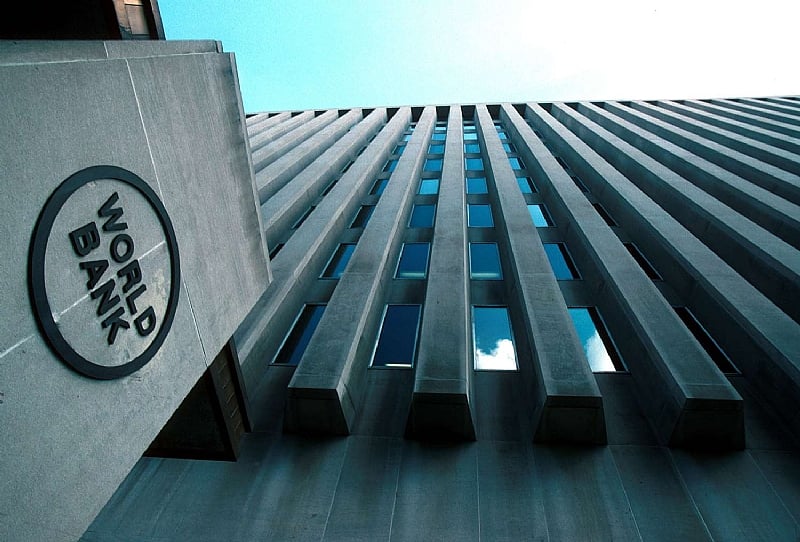
Photo Credit: The Sun Nigeria / CIBN 19th Banking and Finance Conference
World Bank Says Credit Still Bypassing Nigerian SMEs
Small and medium-sized enterprises in Nigeria – widely seen as the engine of job creation – are still largely excluded from formal bank financing despite a stronger banking system and improving macroeconomic stability.
This was disclosed on Tuesday by the World Bank Country Director for Nigeria, Matthew Verghis, while delivering a keynote at the Chartered Institute of Bankers of Nigeria (CIBN) 19th Banking and Finance Conference in Abuja.
Verghis said fewer than one in 20 MSMEs in Nigeria can access bank credit, with about 90% operating informally. He described the situation as a “missing middle” – businesses too big for microfinance and too small for commercial banks – which is blocking job-rich growth.
According to him, credit is bypassing the real job creators. Domestic credit to the private sector is only about 13% of GDP, one of the lowest among peer economies. Agriculture, a major employer, gets just 6% of total bank credit, while MSMEs get only about 1%, even though private sector credit rose to N83.43 trillion in July 2026, according to CBN data.
He noted that the problem is not lack of capital. Nigerian banks hold about $160 billion in assets with $3.4 billion in fresh capital from recapitalisation, while pension and insurance assets add another $26.5 billion. The challenge, he said, is allocation.
Verghis also said Nigeria needs about $100 billion yearly to close its infrastructure gap, with energy and transport taking almost 60% of that need. He urged better project preparation and corporate governance to create bankable projects that can attract private and institutional capital.
He called on development finance institutions to scale up blended finance tools like credit guarantees and risk-sharing facilities, noting that the Bank’s $500m FINCLUDE programme approved in December 2025 is meant to expand finance for MSMEs.
While commending reforms such as subsidy removal and FX unification for bringing stability – GDP growth around 4%, inflation down to about 16% from 33%, and naira stable around N1,300/$ – he said the next phase must translate financial strength into jobs and inclusive growth.
Source: The Sun Nigeria